
How Manufacturers Are Reducing Environmental Impact Without Sacrificing Performance
American factories got stuck between a rock and a hard place. Customers bang on the door demanding better products. The boardroom wants bigger profits. Then environmentalists show up asking about carbon footprints. Forward-thinking companies realized that environmental sustainability was a key driver of innovation. It wasn’t a mere obligation. It turns out that by helping to save the planet, you can actually increase your financial earnings.
Smarter Materials Make the Difference
Remember when recycled meant cheap and flimsy? Those days died. Recycled steel now outperforms some virgin metals. It’s easy to mistake plant-based plastics for petroleum ones. When chemistry became inventive, companies really benefited. The scientists had to start over. Why use harsh chemicals if there’s another way? Make materials easily recyclable from the outset. Make stuff that lasts twice as long. Half the replacements equal half the waste. Basic math that adds up to big environmental wins.
Read More: THE SMART SHORTCUT TO EARNING NEW CREDENTIALS IN A BUSY WORLD
Carbon fiber changed the game for aerospace. Half the weight of steel. Just as tough. Maybe tougher in some cases. Planes sip fuel instead of guzzling it. Performance goes up. Emissions go down. Everybody’s happy, including Mother Earth.
Energy Efficiency Drives Innovation
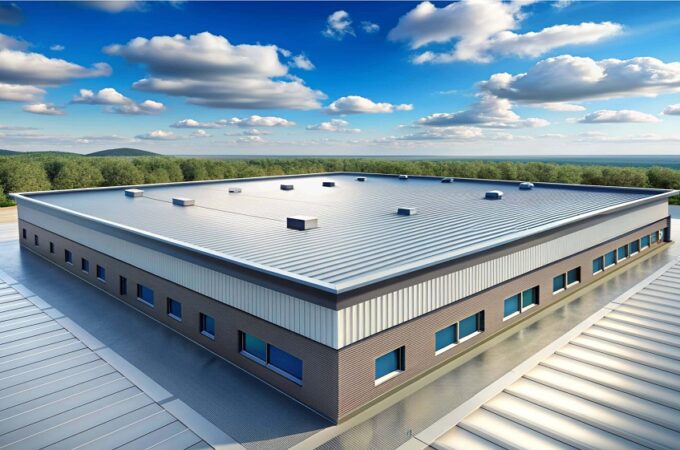
Walk through a modern factory. LED lights everywhere. Motion sensors controlling equipment. One machine’s waste heat warms another section. Old factories leaked energy like a broken faucet. New ones ensure that every kilowatt is used to its full potential. The appearance of solar panels on warehouse roofs was remarkably swift, mirroring the way mushrooms emerge after a period of rain. Wind turbines started showing up in industrial areas. Power bills shrank. Grid outages stopped mattering as much. Companies discovered energy independence feels pretty good.
Machines got brains. They throttle back when running light loads. They schedule their own maintenance before breaking down. A machine that never breaks never wastes materials on failed production runs. Efficiency through intelligence beats brute force every time.
Supply Chain Transformation
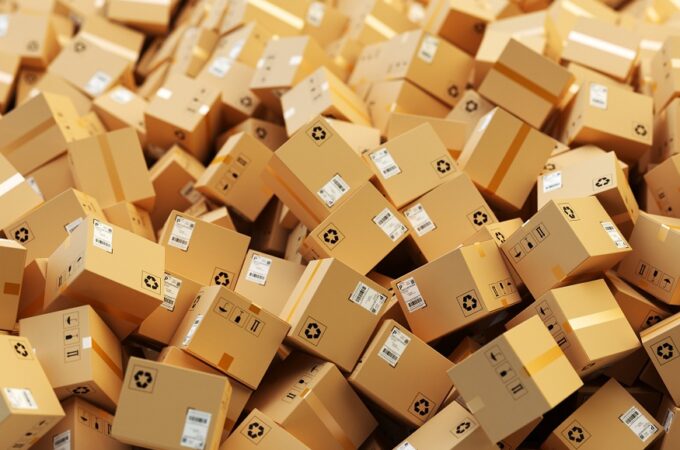
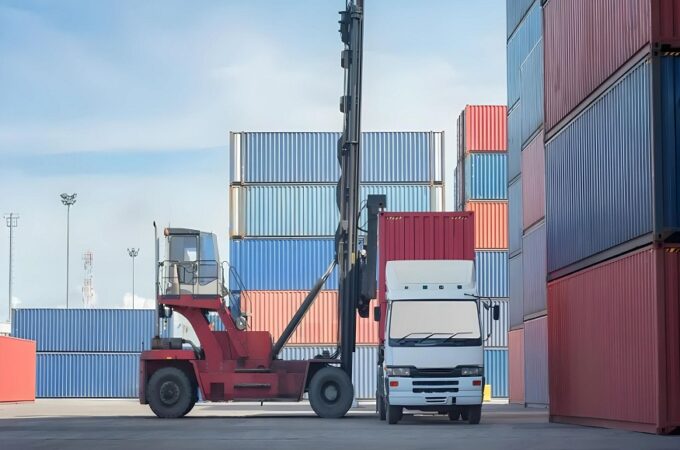
Environmental thinking spilled out of factories into the entire supply network. Local suppliers mean shorter truck rides. Reusable containers replace cardboard mountains. Computers plot delivery routes that save thousands of gallons of fuel annually.
Raw material suppliers jumped on board too. Expandable polystyrene suppliers such as Epsilyte collaborate with clients to create foam products that protect shipments just as well while breaking down better after use. Chemical companies reformulate products. Trucking firms buy electric rigs. The entire chain pulls in the same direction now.
Digital tools have killed tons of waste. Why ship a prototype when you can send a file? Cloud systems let suppliers see exact demand, so they stop overproducing. Information travels at light speed. Physical products move only when necessary. Inventory sitting in warehouses helps nobody. Predictive software tells manufacturers exactly what they’ll need next month. Raw materials arrive just before production starts. Finished goods ship immediately. Less storage, less waste, less environmental burden.
Read More: WHY SOME PACKAGES PERFORM BETTER UNDER PRESSURE
Measuring What Matters
Numbers tell stories. Carbon per widget. Gallons per gadget. Pounds of waste per product. Manufacturers track these figures like stock prices because they matter just as much. Some companies open their books completely. Sustainability reports hit the internet. Outside auditors check the claims. Customers understand their purchase’s environmental impact. Sunlight remains the best disinfectant, especially for greenwashing. This transparency creates competition. Nobody wants to rank last in environmental performance. Pride pushes progress as much as regulations do.
Conclusion
Manufacturers discovered something incredible. Environmental responsibility and peak performance aren’t enemies. They’re dance partners. Better materials, smarter energy, and cleaner supply chains produce superior products that happen to treat Earth better. Companies mastering this dance will own tomorrow’s markets. The rest? They’ll wonder what hit them while clinging to yesterday’s wasteful habits. The revolution already started. Manufacturers just need to decide which side of history they want to join.