Why Some Packages Perform Better Under Pressure
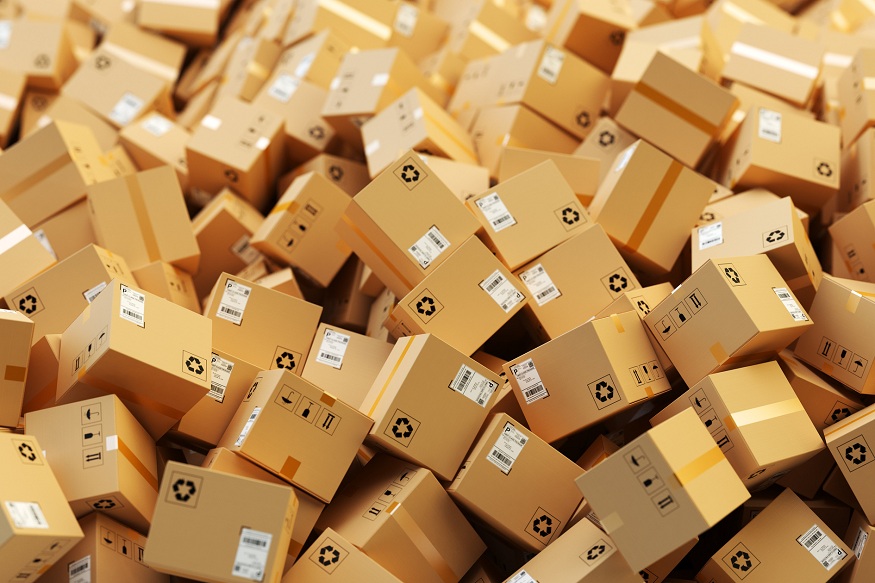
That box on your doorstep looks peaceful enough. Do not let it deceive you. It came through the chaos unscathed. Warehouse workers stacked heavy crates on top of them. Overnight layovers at distribution centers caused stress from temperature swings. Some packages come through this mess looking fine. Others show up crushed or cracked. What separates the winners from the losers? Material choices and smart design.
Understanding Compression Forces
Boxes stack. That’s just how shipping works. And when boxes stack, the ones stuck at the bottom carry a serious load. We’re talking dozens of pounds pressing down, sometimes more. Flimsy packaging caves in. Sturdy packaging stays put. Here’s the catch, though. Stiff isn’t always better. Materials need some give to them. Trees bend in windstorms instead of snapping in half. Packaging works the same way. The good stuff absorbs force and spreads it around rather than taking the hit all at once.
Read More: WHY HIRING A SPECIALIZED COMMERCIAL & INDUSTRIAL ROOFING COMPANY IN NJ MATTERS
Why Some Materials Handle Stress Better
Cardboard fights pressure until it can’t anymore. Then it folds. Game over. Foam plays a different game entirely. It squishes down slowly under weight and springs back once the load lifts. Expanded polystyrene (EPS) foam does this especially well. All those tiny air pockets trapped inside? They work like a massive team of miniature shock absorbers. Each bubble handles a fraction of the force. The entire structure distributes pressure evenly instead of letting it concentrate in one weak spot.
Electronics companies figured this out ages ago. Those molded foam pieces hugging your new laptop inside the box aren’t there for decoration. They cradle the product and handle compression coming from every angle.
Temperature Adds Another Layer
Heat and cold mess with packaging too. Warm materials swell up. Cold materials shrink. Fast temperature swings put stress on boxes and whatever sits inside them. Humid air condensing on cold surfaces causes water damage. Cold/frozen products have a dual challenge. Regular packaging doesn’t maintain stable temperatures on long trips.
Companies like Epsilyte have developed EPS solutions for cold chain packaging. These solutions hold steady temperatures throughout a shipment’s journey. These insulated containers keep contents cold for extended periods. They also protect against damage.
The Role of Design
Great materials in a poor design still fail. Engineers spend serious time figuring out where pressure hits hardest. Then they beef up those areas. Corners take a beating. They catch impacts first and bear the brunt of stacking weight. Reinforced corners stop damage from spreading inward toward the product. Fit matters too. Products that rattle around inside their boxes create mini-collisions with every bump in the road. Snug packaging holds contents still and lets the outer shell do its job.
Testing Tells the Truth
Nobody ships packaging without torturing it first. Machines drop boxes from specific heights. Vibration tables simulate truck rides. Hydraulic presses mimic stacking weight. Climate chambers blast materials with heat and cold. Engineers break stuff on purpose. They find the failure points, tweak the design, and break it again. Only packaging that survives this abuse earns a spot on the production line.
Cost Versus Performance
Cheap packaging looks attractive on a spreadsheet. But damaged goods eat into those savings fast. Replacements cost money. Returns cost money. Ticked-off customers cost even more when they take their business elsewhere.
Read More: THE IMPORTANCE OF MATERIAL HANDLING EQUIPMENT IN MODERN INDUSTRY
Paying extra for packaging that works usually comes out ahead. The real expense isn’t what you spend on materials. It’s what you lose when products show up broken.
Conclusion
Packages that handle pressure well didn’t get lucky. Someone picked materials that compress without collapsing. Someone designed reinforcement where it counts. Someone tested until failures stopped happening. Shipping beats packages up. The ones arriving intact were built for exactly that kind of abuse.